The Breath of Spring: Encountering the Living Tradition of Kyoto Dolls
As the deep chill of February begins to lift, a subtle transformation takes place across Kyoto. This is the season of Hina Matsuri (The Peach Festival) on March 3rd. For the people of Kyoto, this isn’t just a date on the calendar; it is a time when cherished doll sets, passed down through generations, are brought out from their wooden boxes to be displayed in homes and temples. It is a season where the city’s masterful doll-making heritage—Kyo-ningyo—briefly becomes a visible part of daily life once again.
The Origins: From Ritual to High Art
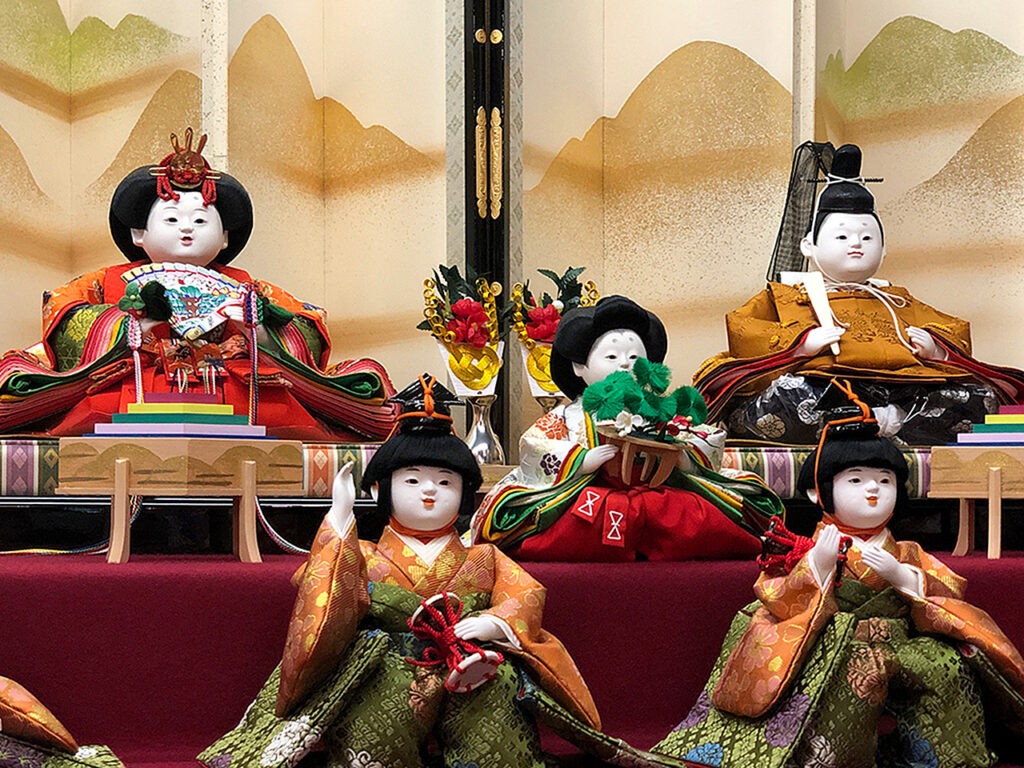
Hina Matsuri’s history spans over a millennium. It began as a purification rite where paper dolls (hitogata) were used to transfer and float away bad fortune. By the Edo period, these evolved into the “Isho-gi” (Dressed Doll) style—elaborate figures adorned in layered silk. As the imperial capital, Kyoto became the center of these “Kyo-bina,” which were crafted with the same strict etiquette and luxury as the Imperial Court itself.
The Essence of Kyo-ningyo: The Master of “Isho-gi”
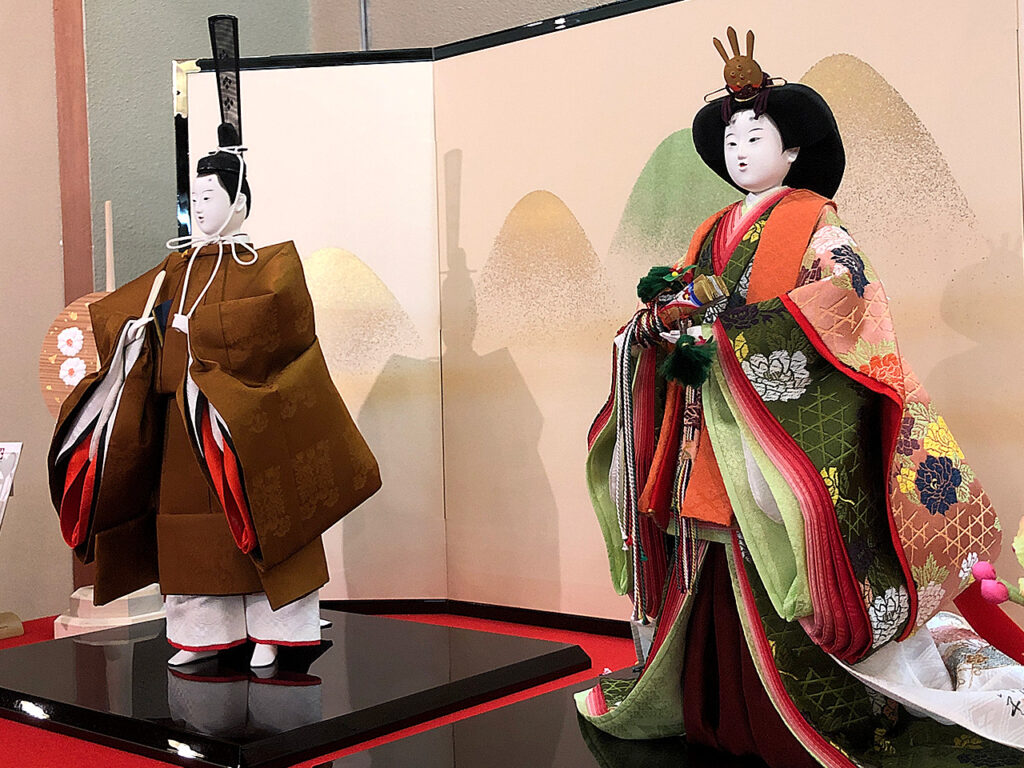
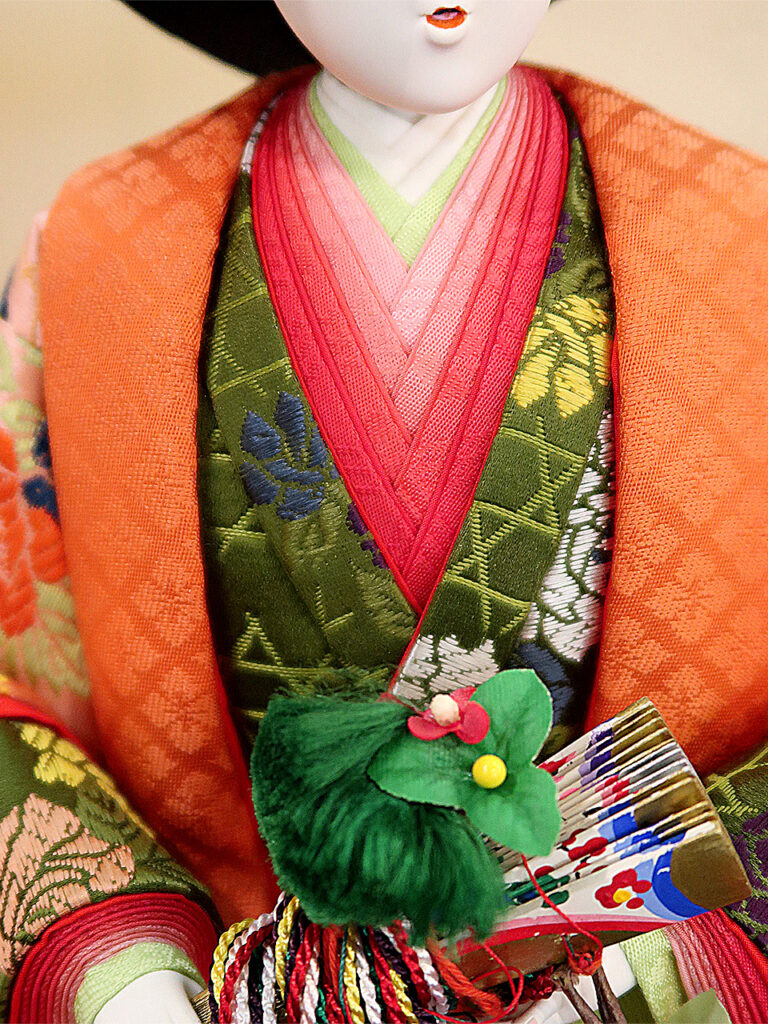
While there are various doll-making methods across Japan, the Kyo-ningyo is fundamentally defined by its identity in the Isho-gi (Dressed Doll) genre. Unlike the “Kimekomi” style (where fabric is tucked into a wood-compost base), Kyoto dolls are constructed with an independent torso and limbs, which are then dressed in authentic Nishijin-ori silk miniature kimonos. This allows for a sense of volume, realistic drapery, and a dignified presence that mimics a living aristocrat. Each doll is the result of a “division of labor” among specialized masters: the head maker, the hair stylist, and the drapery master.
Gosho-ningyo: The Guardian of “Gofun” Beauty
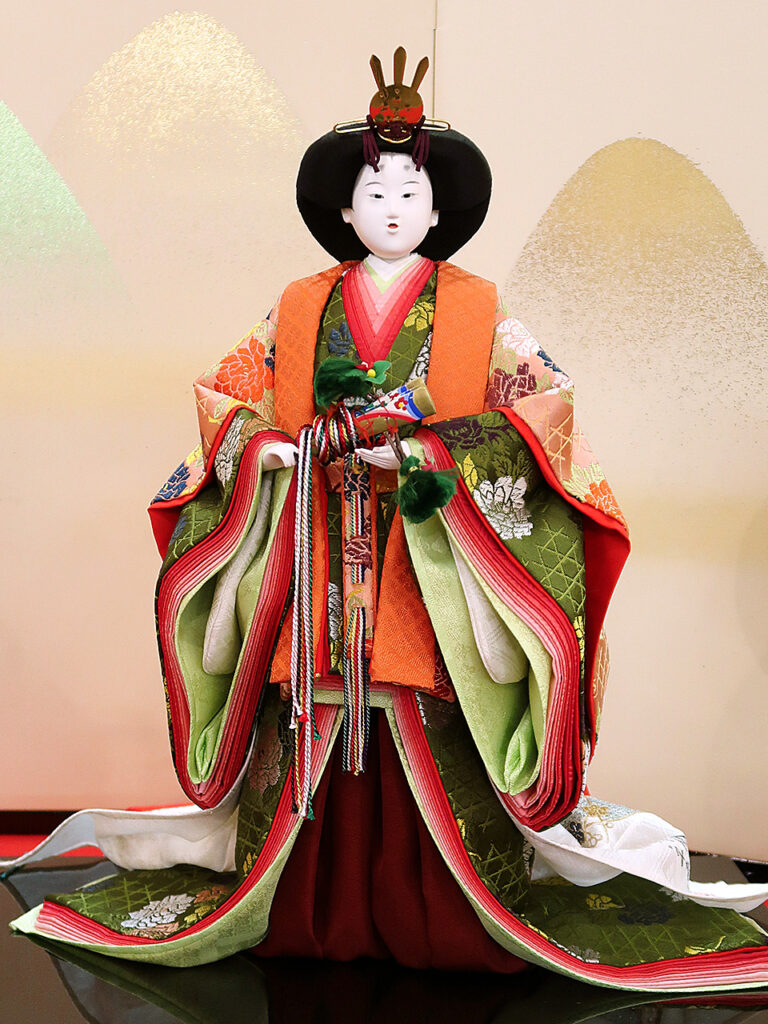
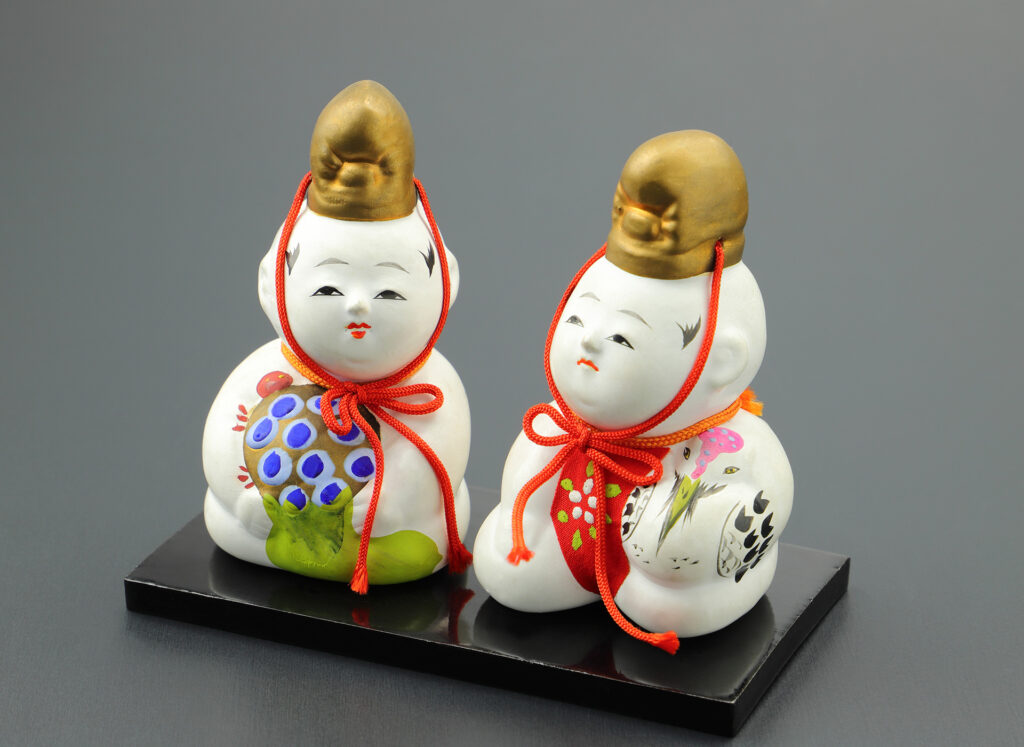
A vital pillar of Kyoto’s doll history is the Gosho-ningyo (Palace Doll). These dolls, featuring charming, plump children, were traditional gifts within the Imperial Court. Their most striking feature is the “Gofun” finish—a paste made from crushed oyster shells. This material is applied in dozens of layers and polished to a brilliant, porcelain-like white. This specific aesthetic—the pursuit of perfect white skin and a noble, serene expression—is the DNA that flows through both traditional Gosho-ningyo and the finest modern Kyoto Hina dolls.
Spotlight: Shogo Okamoto – The Modern Heir to Kyoto’s “Gofun” Tradition
At Kogei Art KYOTO, we are honored to present the work of Shogo Okamoto, an artist who embodies the evolution of Kyoto’s doll-making spirit.
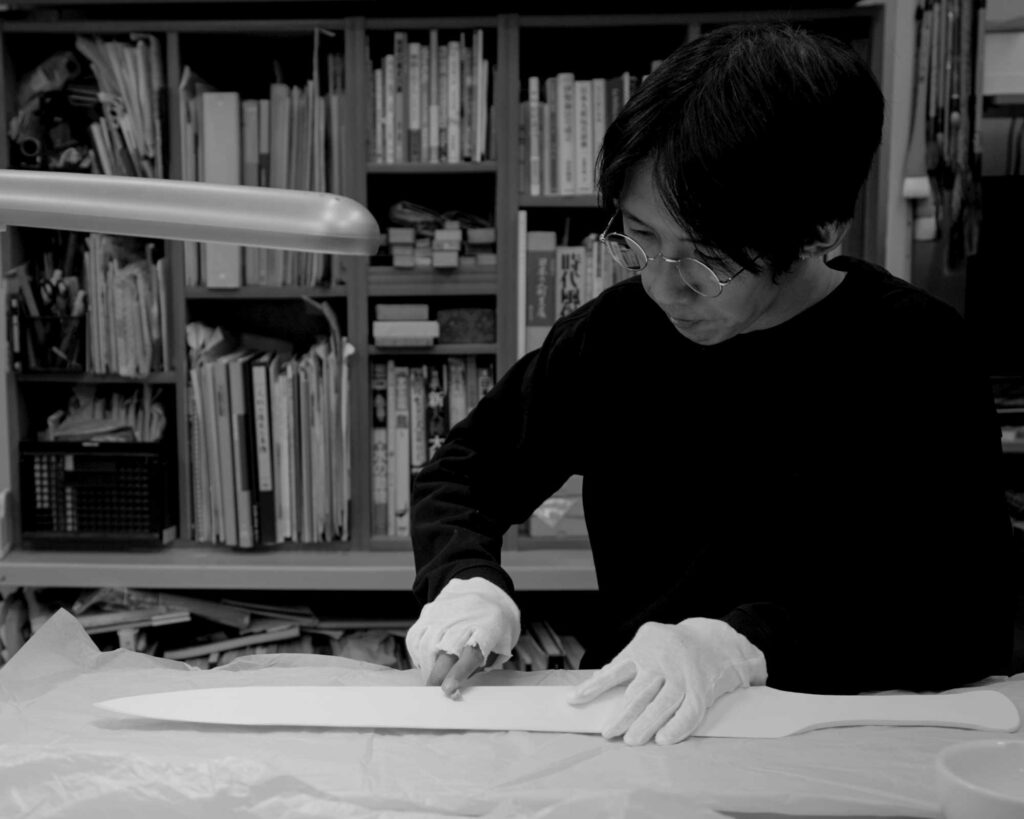
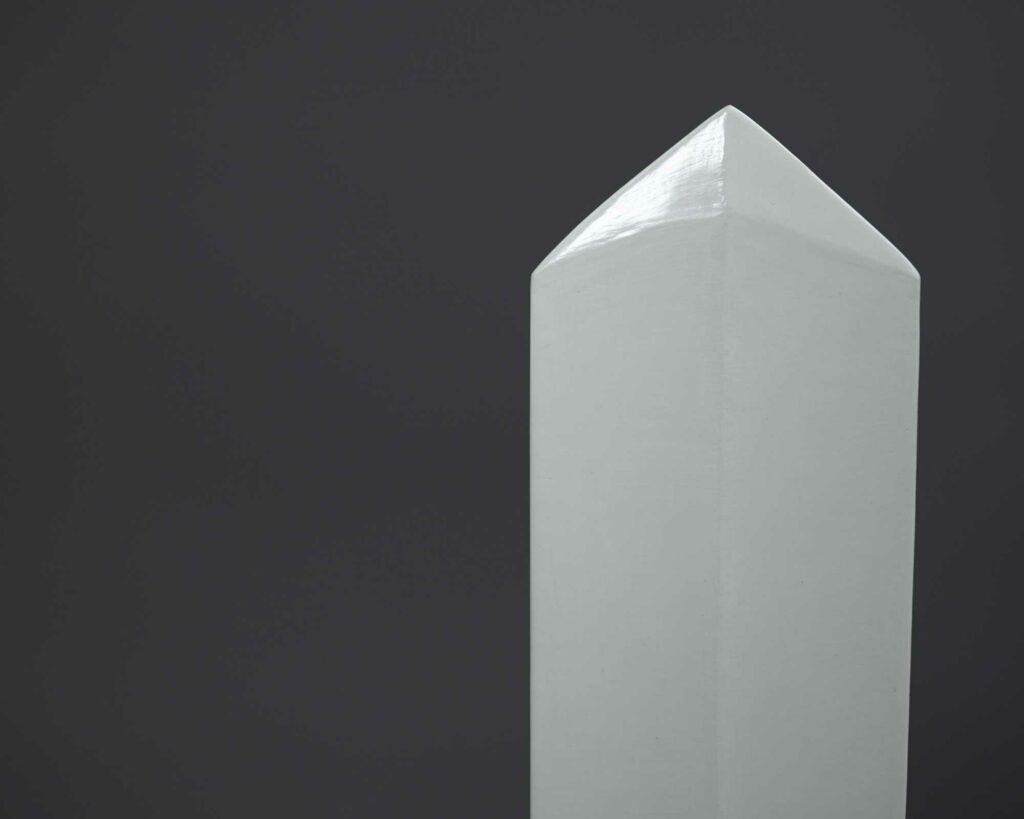
The Living Link to Tradition, Okamoto-san’s practice is a direct dialogue with the history of Kyo-ningyo and Gosho-ningyo. His mastery lies in the traditional use of gofun. By using this ancient material, he achieves the same ethereal, lustrous white finish once reserved for the Imperial Palace’s treasures.
From Hina to Contemporary Sculpture While traditional Hina dolls celebrate fixed historical forms, Okamoto-san takes the techniques of the Kyoto masters—the meticulous skin-finishing of the Gosho-ningyo and the soul-searching expressions of the Kyo-ningyo—and transforms them into contemporary art.
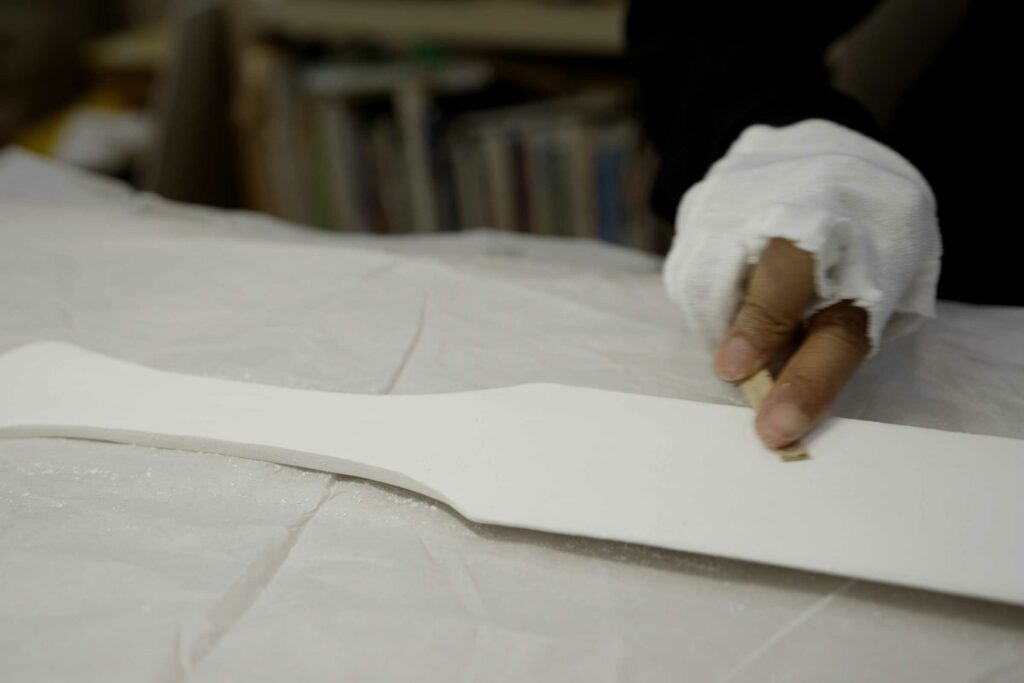
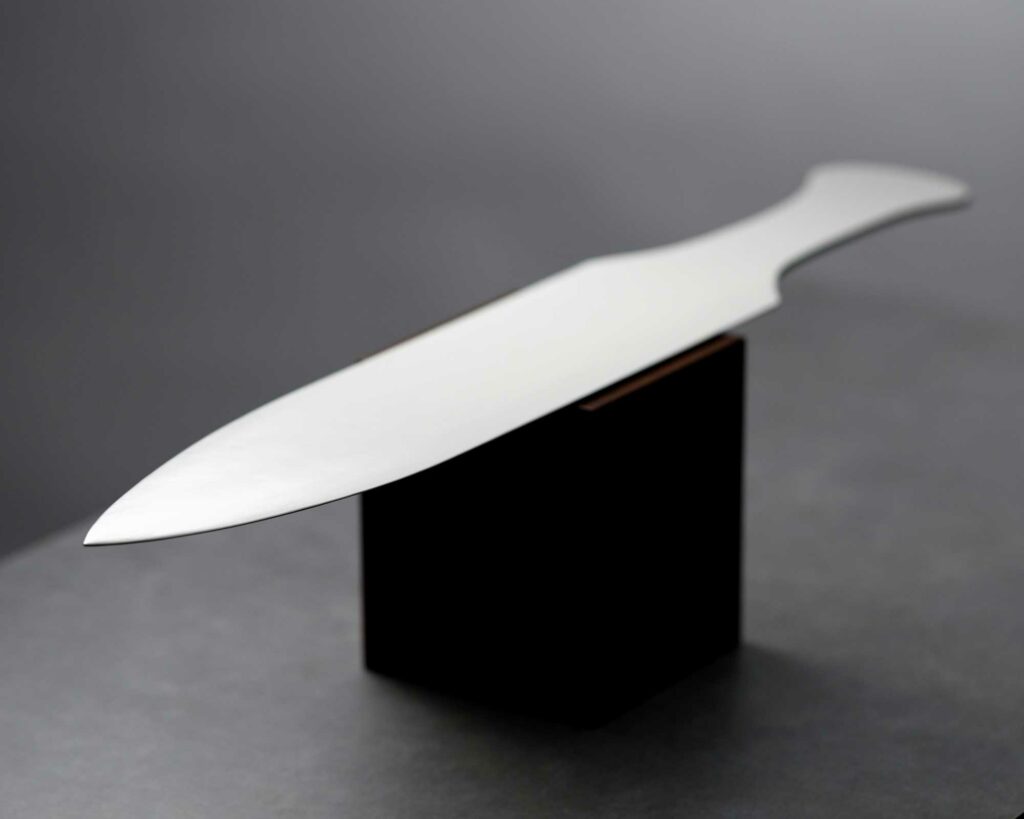
His works currently featured on our site are not mere decorations for a seasonal festival; they are “living” sculptures. By stripping away the heavy robes of traditional Hina dolls, he focuses on the purity of form and the subtle emotions captured in the “Gofun” surface. In his work, you can see the thousand-year-old lineage of Kyoto’s doll culture reborn as a timeless piece of global fine art.