In a world obsessed with perfection and newness, Japan has a quiet philosophy that teaches the opposite. It is called “Wabi-Sabi” (侘び寂び).
Born in the ancient capital of Kyoto, where our roots lie, Wabi-Sabi is more than just an aesthetic style; it is a mindset that finds profound beauty in things that are imperfect, impermanent, and incomplete.
Today, we invite you to explore this deep cultural concept and discover how it can bring serenity to your modern life.
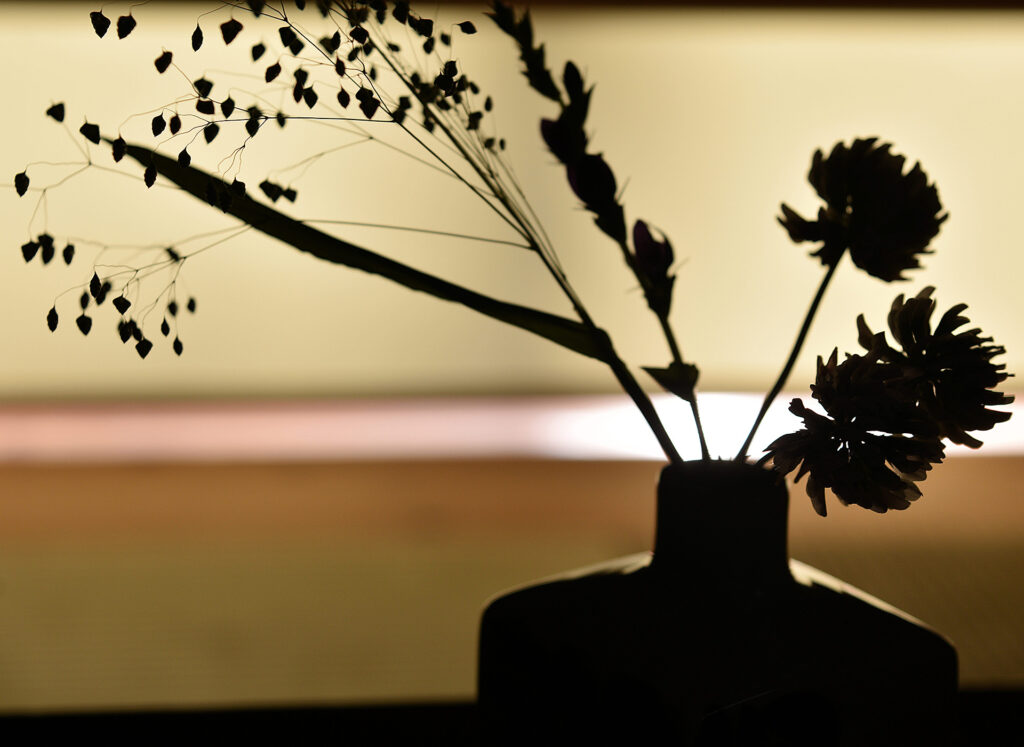
What is “Wabi”?
Originally, Wabi (侘び) referred to the loneliness of living in nature, far from society. Over time, specifically through the Tea Ceremony developed in the 16th century, the meaning shifted to a positive aesthetic. “Wabi” is about finding spiritual richness in simplicity and humility. It is the mindset of “less is more”—appreciating the simple, rustic, and unpretentious aspects of life rather than seeking luxury or extravagance.
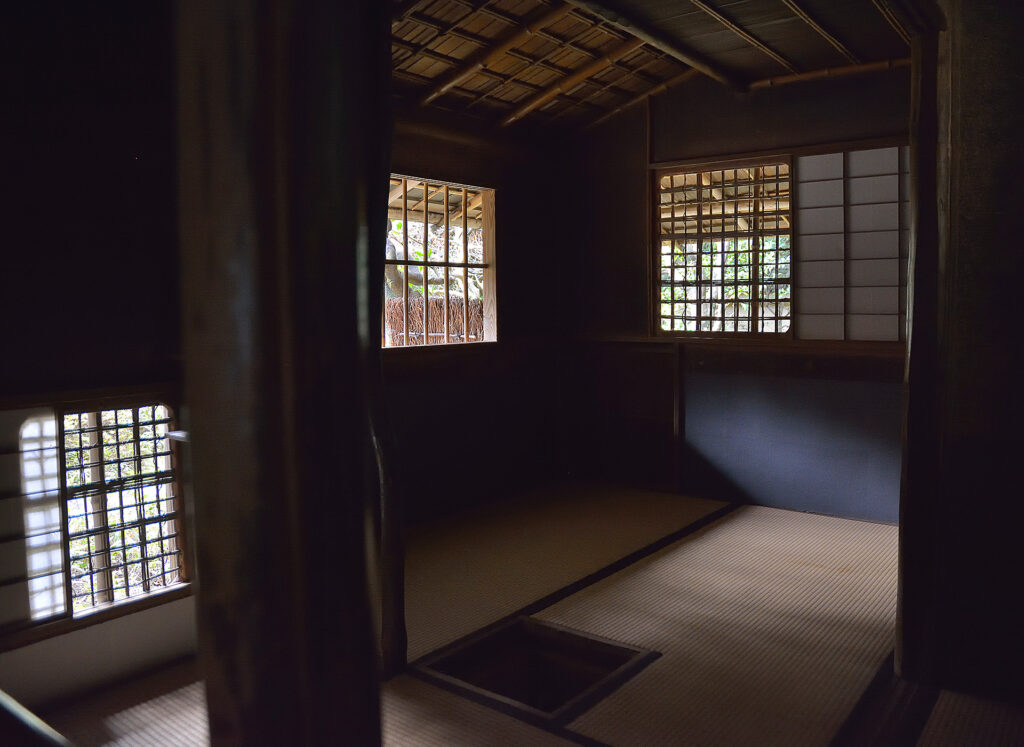
What is “Sabi”?
While Wabi is internal (a mindset), Sabi (寂び) is often external (visual). It refers to the beauty that comes with time. It is the rust on an old iron kettle, the moss on a stone, or the weathered texture of wood. Sabi celebrates an object’s history. It teaches us that things become more beautiful as they age, acquiring a unique character or patina that new objects lack.
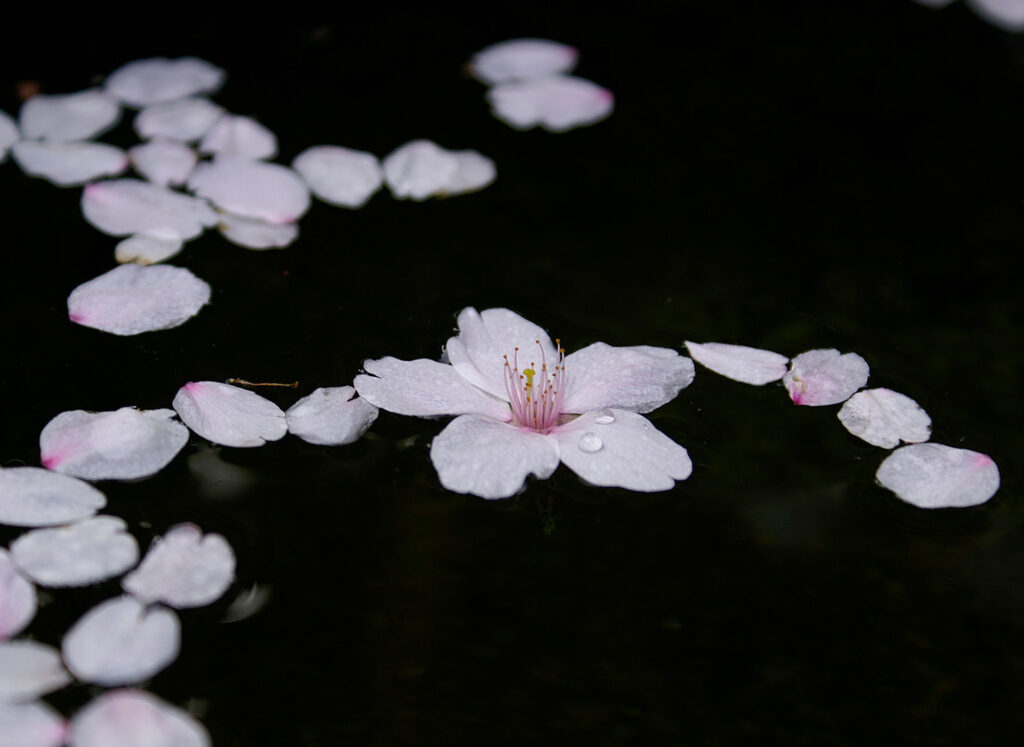
Wabi-Sabi in Japanese Culture
Together, Wabi-Sabi represents a comprehensive Japanese worldview. It is deeply rooted in Zen Buddhism, which emphasizes the transience of all things. Nothing lasts, nothing is finished, and nothing is perfect. In Kyoto, you see this everywhere: in the cracked mud walls of ancient temples, in asymmetrical tea bowls, and in the fading colors of autumn leaves. Japanese culture does not try to fight time; instead, it honors the cycle of nature and finds beauty in its fleeting moments.
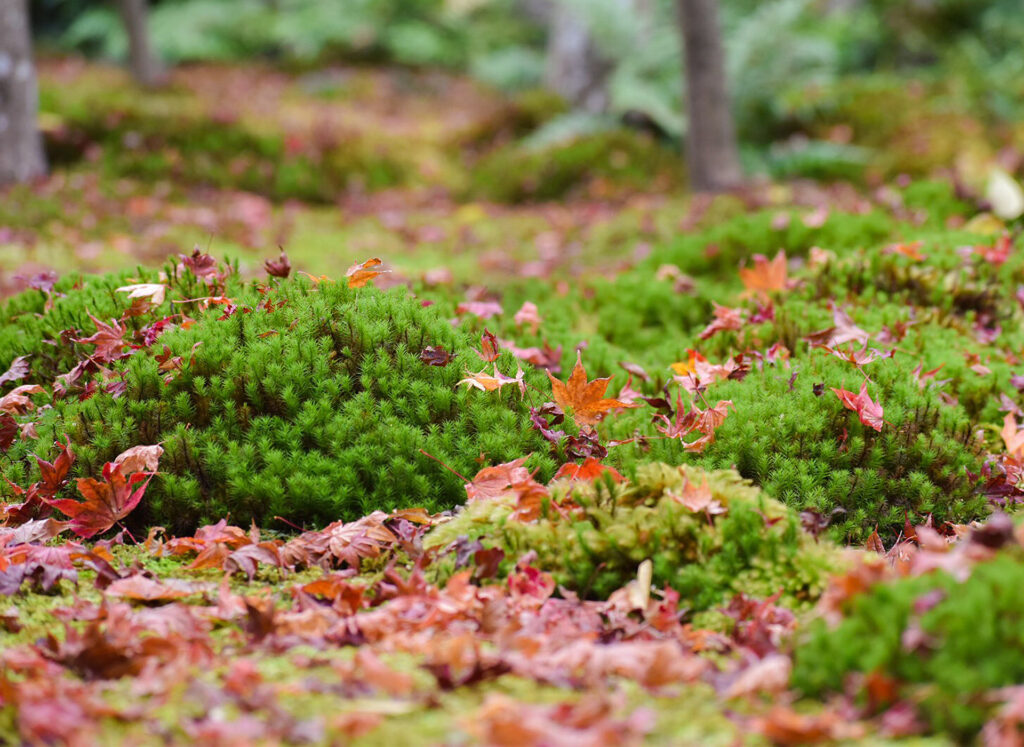
Why is Wabi-Sabi Capturing the World’s Imagination?
Why has this ancient Japanese concept become a global trend in design and lifestyle, from Paris to New York? It may be an antidote to our modern, digital, and mass-produced world. Sleek, identical, machine-made products surround us. In contrast, Wabi-Sabi offers warmth, authenticity, and a human touch. It permits us to relax, to stop chasing perfection, and to find peace in life’s natural flaws.

Wabi-Sabi in the Modern Home
Embracing Wabi-Sabi today doesn’t mean living in a bare hut. It means curating your environment with intention. It is about choosing quality over quantity—selecting objects made from natural materials like clay, wood, or paper that will age gracefully alongside you. It is about valuing the craftsmanship of the human hand over the precision of a machine.
Experience Wabi-Sabi: The Art of Yukitaka Hatsuda
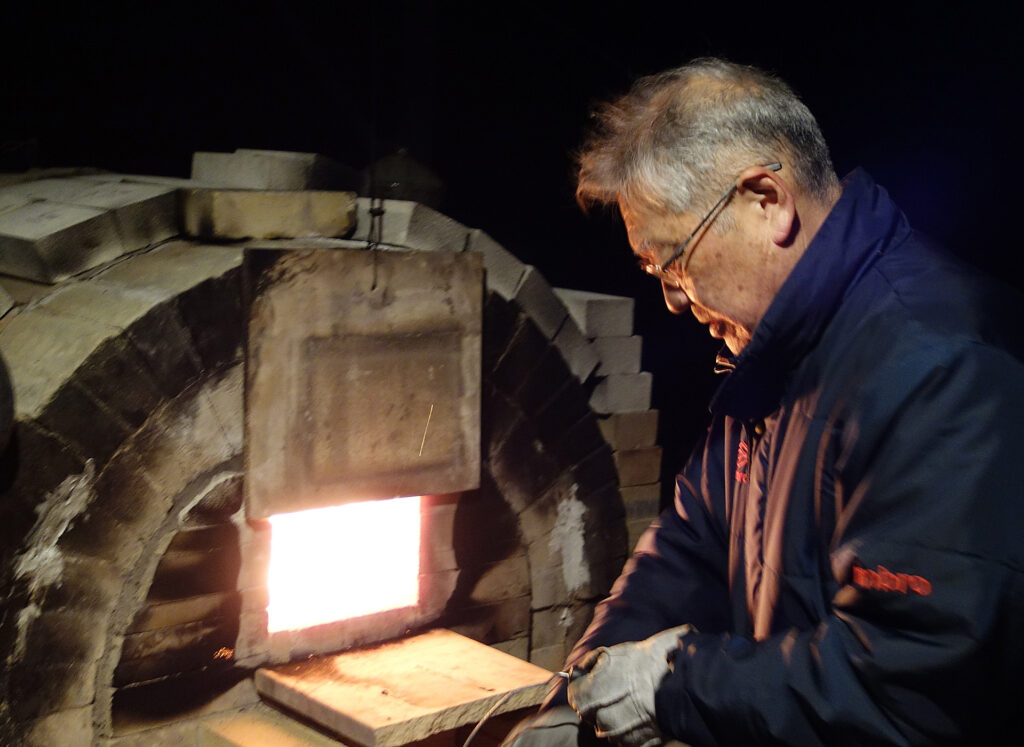
If you are looking to bring the essence of Wabi-Sabi into your home, there is no better medium than Yakishime (焼締)pottery. Yakishime is high-fired, unglazed stoneware where the clay interacts directly with the fire and ash.
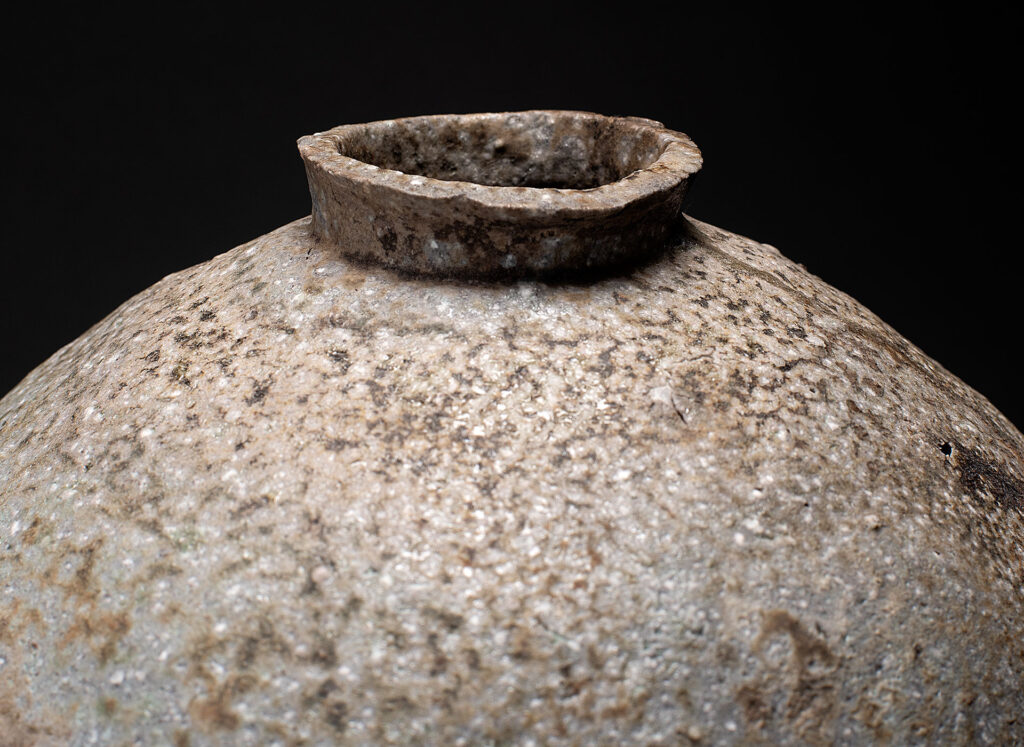
We invite you to explore the works of Yukitaka Hatsuda, a master ceramic artist, on our sister site, Life with Kogei.
Hatsuda’s work is the embodiment of Wabi-Sabi. Because he uses no glaze, the texture of the raw clay speaks directly to you (Wabi). The unpredictable patterns created by the fire and the falling ash ensure that no two pieces are alike (Imperfection). Furthermore, as you use his ceramics—whether for tea, flowers, or dining—the surface will deepen and change color over time, becoming more beautiful (Sabi).

Please visit the link below to view his collection. Through his Yakishime works, you can connect with Japan and feel the serene passage of time.
[View Yukitaka Hatsuda Collection – Life with Kogei] https://www.lifewithkogei.jp/en/collections/yukitaka-hatsuda